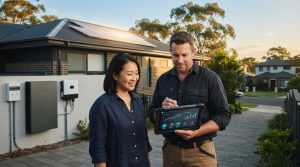
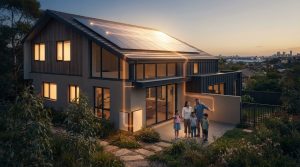
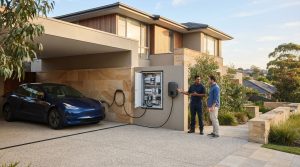
What if the right solar system for your home depends less on panel count and more on your roof, switchboard and daily routine? That’s a practical starting point for solar panel installation Sydney homeowners can plan with confidence. Before work begins, it helps to understand whether your property is suitable, what the quote covers and how installation may affect your household.
A well-planned project starts with the property, not a one-size-fits-all package. Roof space, orientation, shading, switchboard condition and the times you use electricity all help shape the design. Brighter Sparks Electrical supplies and installs tailored solar systems for Sydney homes and businesses, with related electrical requirements considered as part of the plan.
This guide covers the main stages, from the initial assessment and system design through installation and commissioning. You’ll learn which site and household details can influence the system, what to look for in a clear installation quote, and how to prepare for the work. By the end, you’ll be better equipped to discuss a solar plan that suits your property and energy use.
Key Takeaways
- See how roof condition, usable space, shade and access can affect a Sydney solar design before installation is planned.
- Follow the main stages of solar panel installation Sydney, from assessment and design through to commissioning and handover.
- Compare proposals by checking the system design, equipment, electrical work and information provided after installation.
- Understand why local network and approval requirements can affect project planning, and why current details matter.
- Explore how Brighter Sparks can tailor a solar installation, with batteries, off-grid systems or electrical upgrades considered as part of broader plans.
Solar panel installation in Sydney: start with your property and energy needs
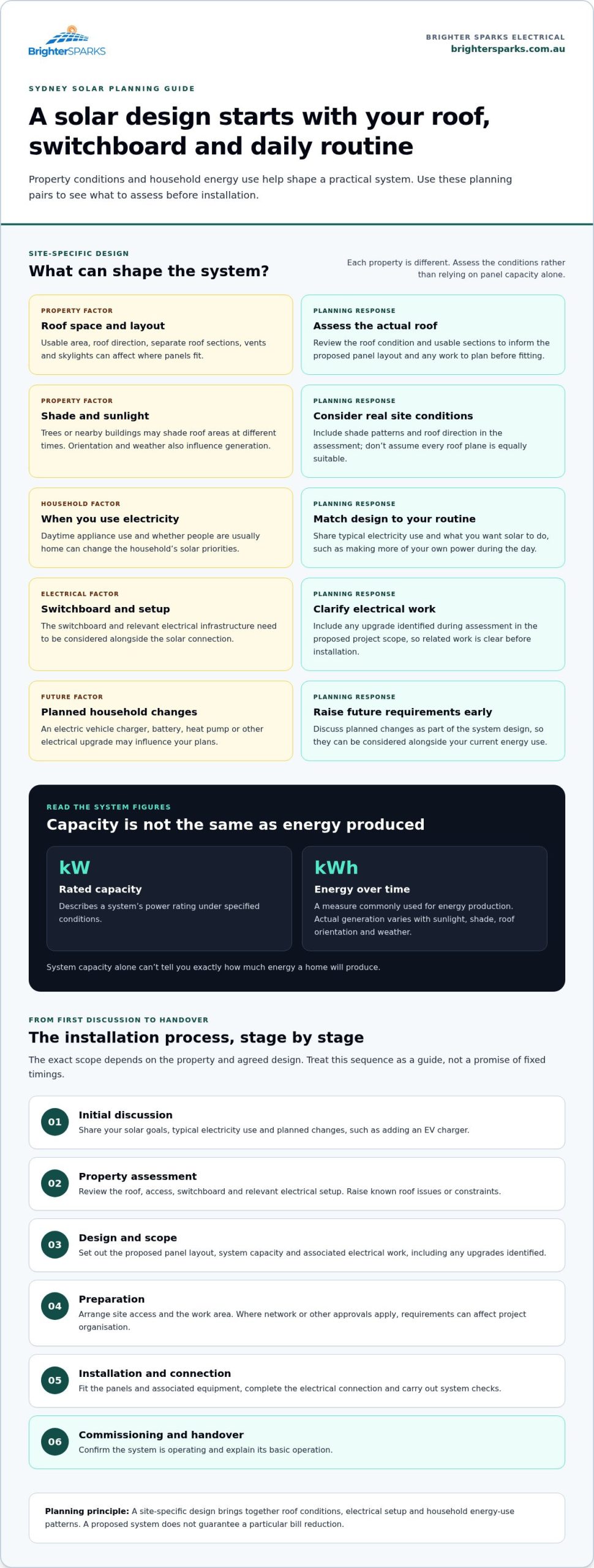
Whether solar suits your Sydney property depends on more than how many panels fit on the roof. Usable roof area, orientation, shade, household electricity use and the condition of your electrical setup all help shape a practical design. A system that works well for one home may not suit a neighbouring property with a different roof layout or daily routine.
Start by identifying what you want the system to do. You might aim to reduce grid electricity use, make more of your own power during the day, or plan for future changes such as an electric vehicle or heat pump. These goals influence system size and how its expected generation lines up with your household’s electricity use. They don’t guarantee a particular bill reduction.
A site-specific solar design matches the system to the property’s roof, electrical setup and energy-use patterns, rather than relying on panel capacity alone.
What does a solar panel installation involve?
Installation involves planning the system, supplying and fitting the panels and associated equipment, connecting the system, then commissioning it so it can operate. A professional plan considers how each stage fits the property and your household’s goals.
Rated capacity, measured in kilowatts (kW), describes a system’s power rating under specified conditions. Energy production is measured over time, commonly in kilowatt-hours (kWh). Actual generation varies with sunlight, shade, roof orientation and weather, so capacity alone can’t tell you exactly how much energy a home will produce. For a broader introduction to photovoltaic technology, see Understanding Solar Power.
Which Sydney property details shape the design?
Roof direction affects when sunlight reaches the panels, while usable area determines where they can be fitted. A site assessment also considers separate roof sections, obstructions such as vents and skylights, and shade from trees or nearby buildings. Shade can fall across a roof at different times of day, so the design needs to account for actual site conditions rather than assume every roof plane is equally suitable.
Your household’s electricity pattern matters too. Note which appliances run during daylight hours and whether people are usually home then. A household that uses more power during the day may have different priorities from one that uses most of its electricity in the evening. This information helps shape a system around your self-use and wider energy plans.
- Roof condition: Existing wear or repair needs may affect project planning before panels are fitted.
- Switchboard capacity: The electrical setup needs to be considered alongside the solar connection. An upgrade may form part of the project scope.
- Future plans: An EV charger, battery or other electrical upgrade may influence how you plan the system today.
Brighter Sparks Electrical supplies and installs tailored solar systems across Sydney, considering the property and relevant electrical requirements as part of the project. Knowing your roof conditions, switchboard location and energy goals gives the design a useful starting point.
How solar panel installation in Sydney progresses from assessment to handover
Knowing what happens at each stage can make a solar project easier to plan around work, family routines and access to your home. A solar panel installation Sydney project progresses from the first discussion to system checks and handover. The exact scope depends on the property and agreed design, so treat the sequence as a guide rather than a promise of fixed timings.
What happens during the design and site assessment?
The assessment connects your energy goals with the practical conditions at the property. The installer reviews roof space, shade, orientation and electricity use, then considers the switchboard and other electrical infrastructure. This helps identify a suitable layout and any related work that may affect the project scope. The proposed system and its requirements can then be set out before installation is arranged.
From assessment to handover, each stage confirms the design, prepares the property, completes the installation, checks system operation and explains what’s been installed.
- Initial discussion: Share what you want solar to achieve, your typical electricity use and any planned changes, such as adding an EV charger. This gives the project a clear starting point.
- Property assessment: Review the roof, access, switchboard and relevant electrical setup. Raise known roof issues or constraints so they can be considered in the plan.
- Design and scope: Set out the proposed panel layout, system capacity and associated electrical work. Clarify what the project includes, including any upgrades identified during assessment.
- Preparation: Arrange practical details such as site access and the work area. Where network or other approvals apply, their requirements can affect how the project is organised.
- Installation and connection: Install the panels and associated equipment, complete the electrical connection and carry out system checks. The team coordinates the work around agreed access and site arrangements.
- Commissioning and handover: Confirm the system is operating and explain its basic operation. Go through the information and documentation provided for your installation.
What should homeowners expect on installation day?
Before work begins, arrange clear access to the relevant areas. Move vehicles or belongings away from the agreed work zone if needed. Installers may need access to the roof, switchboard and equipment locations, so clear pathways help the work proceed in an orderly way. Follow site instructions and keep household members away from active work areas.
Workers may need access inside as well as outside. Electrical connection and system checks are part of the job, and the installer can explain any practical disruption as the work progresses. At handover, ask for a straightforward explanation of normal operation and where to find the supplied system information.
Brighter Sparks Electrical supplies and installs tailored solar systems across Sydney, with relevant electrical requirements considered as part of the project. If you’re ready to discuss a property-specific plan, talk with Brighter Sparks about solar installation.
How to compare Sydney solar installation designs and quote scope
Two solar proposals can look similar at first glance but include different equipment, panel layouts or electrical work. Compare the assumptions behind each design before focusing on headline system capacity. Roof space, shade and household usage can change what a proposed system is intended to do.
A clear scope makes it easier to understand what’s planned and where proposals differ. It can reduce uncertainty, but it can’t guarantee a particular bill saving or system output. For solar panel installation Sydney projects, compare plans for the property, not just panel counts.
Which details make two solar designs meaningfully different?
Start with the proposed capacity and how it relates to usable roof area and your home’s electricity use. Check which roof sections the panels are assigned to, and whether the design accounts for shade from trees or nearby buildings. Different assumptions can lead to different generation estimates. Then check whether switchboard changes or wiring work are included or listed as separate scope.
How can you understand an installation quote?
Use the quote to understand what will be supplied, fitted, connected and explained at handover. A useful comparison separates system design from equipment and electrical work, so you can see what the total project covers rather than having to infer it.
| Compare | What to look for |
|---|---|
| System design | Proposed capacity, panel layout and the roof area used in the design. |
| Equipment scope | Which panels, inverter and other system components are included. Check that the description clearly identifies the proposed setup. |
| Electrical work | Whether connection work, switchboard changes or wiring are included in the stated scope, or identified separately. |
| After-installation information | What system checks, operating guidance and installation documentation are provided at handover. |
Read generation or savings estimates as estimates, not promises. Look for the assumptions behind them, including panel layout, shade, expected household use and how much solar energy is used on site versus exported. If proposals use different assumptions, their estimates aren’t directly comparable. Ask for the basis to be explained in plain language.
Project scope depends on the property and agreed design. A roof with several usable sections, for example, may need a different layout from a single open roof plane. Similarly, a proposal that includes switchboard work isn’t directly equivalent to one that excludes it. Compare the work being planned, not just system size.
Incentives can affect the overall calculation, but eligibility and scheme settings matter. Check current Australian Government and NSW Government information before relying on a rebate or certificate value in a proposal. Clarify the system scope first, then consider any incentive that applies to your circumstances.
Sydney roof, shade and electrical factors to plan before solar installation
Before booking solar panel installation Sydney homeowners can note site conditions that may affect access and design. A quick look from the ground won’t replace a proper assessment, but it can help you identify questions and flag practical constraints early.
How do roof orientation and shading affect a Sydney solar design?
Roof direction, pitch and shade patterns influence where panels can be placed and how much sunlight reaches them. A tree may shade one area in the morning, while a chimney or neighbouring building casts a different shadow later. No single roof direction suits every property. Usable area, shading and household goals need to be considered together.
Use this checklist to prepare for a site discussion:
- Roof condition: Note visible wear, damage or areas that may need attention before panels are fitted.
- Shade: Identify nearby trees, chimneys and buildings that cast shadows, and when they’re likely to affect the roof.
- Usable space: Point out roof sections that appear clear, along with skylights, vents or other obstructions.
- Access: Consider where workers can enter the property and reach the roof, and whether gates, parked vehicles or stored items could affect access.
- Electrical setup: Note the switchboard location and any known concerns with the switchboard or wiring.
What electrical and local requirements belong in project planning?
A qualified site assessment can identify electrical work relevant to the installation, including whether the existing switchboard and wiring suit the proposed system. If changes are needed, they may affect the project scope and should be included in the plan. If you have concerns about your switchboard, raise them when discussing preparing a switchboard for solar.
Network and approval requirements can depend on the property and its location. Ausgrid and Endeavour Energy are relevant electricity network entities across parts of Sydney, but the applicable process can vary. Connection, approval and certificate requirements can also change, so current details should be verified for the specific project before they’re treated as rules. An old checklist or general estimate isn’t a substitute for project-specific requirements.
For strata, heritage-listed or otherwise complex properties, include building and access constraints in the early planning conversation. These can affect what’s practical and whether additional approvals need consideration. Keep notes on roof access, known maintenance issues and planned electrical changes, such as an EV charger. This gives the installer a clearer picture and helps the agreed design reflect real site conditions.
Brighter Sparks Electrical supplies and installs tailored solar systems across Sydney, with relevant electrical requirements considered as part of the project. Discuss your Sydney solar installation plan with the team.
Arrange solar panel installation in Sydney with Brighter Sparks
A solar project is easier to plan when the assessment, system design and electrical scope are considered together. Brighter Sparks Electrical supplies and installs solar panels for homes and businesses across Sydney, tailoring each project to the property rather than treating it as a standard panel package. The proposed work should make clear how the design relates to the site and the household’s or business’s energy needs.
What can Brighter Sparks consider when planning a solar project?
Planning brings together the property conditions and what you want the system to support. Roof space, access and existing electrical infrastructure can all inform the design and installation scope. Your energy-use patterns also help frame the system around your priorities, whether that means using solar power during business hours or meeting household needs.
Related options may support broader energy plans. A battery can be included if storing solar energy is one of your goals; an off-grid system may suit a different project objective. These are planning considerations, not automatic additions to every solar installation.
Switchboard upgrades or electrical wiring may also form part of a tailored scope where the property’s setup calls for related work. Brighter Sparks can consider these electrical requirements alongside the solar project, connecting the proposed installation to the site’s practical needs.
What information helps start a Sydney solar installation discussion?
A few details can help focus an initial discussion and frame the project. Share the property’s suburb or location, whether it’s a home or business, and what you know about typical electricity use. You can also mention visible roof constraints, such as limited clear space, nearby trees or access concerns.
Describe any planned changes that could affect future energy needs, such as adding a battery, EV charger or other electrical equipment. You don’t need to have every detail worked out before getting started. Sharing your priorities helps shape the conversation around a site-specific solar plan.
For a Sydney property, bring together your main energy goals, known roof conditions and any electrical questions. Brighter Sparks can use that context to discuss a tailored solar design and the related installation work. The project scope will depend on the property and agreed plan, so a project-specific quote is the practical way to understand what’s proposed for your site.
Discuss your Sydney solar installation with Brighter Sparks and request a quote for your property.
Take the next step towards a solar plan that fits
Your next step doesn’t need to be choosing a panel count. Start with the outcome you want from solar and the details that make your property different. This gives the project discussion a practical focus and helps shape a plan around how you use energy now, as well as any changes you’re considering.
Brighter Sparks works across solar panel installation Sydney projects for residential and commercial properties, with related battery, off-grid and electrical upgrade options for broader energy plans. These can be considered where they suit your property and goals, rather than added by default.
Bring your property location, a general picture of your electricity use and any known roof or switchboard concerns to the conversation. Mention planned electrical changes too. A clear starting point makes it easier to discuss a project-specific design and quote.
Discuss your Sydney solar installation with Brighter Sparks and take a confident first step towards a plan suited to your property.
Frequently Asked Questions
How long does solar panel installation take in Sydney?
The full process commonly takes around two to five weeks from enquiry to a switched-on system, while the physical installation often takes about a day. Design, grid connection approval and meter reconfiguration can account for time beyond the on-site work. The actual sequence depends on the property and project requirements, so use the proposed schedule for your installation rather than assuming every Sydney home will follow the same timeframe.
Do I need council approval to install solar panels in Sydney?
Most standard residential rooftop systems generally don’t need council approval, but exceptions can apply. Heritage-listed properties and homes in strata complexes may have additional planning or building requirements. Before work is arranged, check the current rules relevant to your address and property type, including any strata processes. Network connection requirements are separate from council approval and can also depend on the site and local electricity network.
Can solar panels be installed on a shaded roof?
Often, yes, but the amount, location and timing of shade can affect the panel layout and expected generation. For example, a tree shading one roof section in the morning may leave another section clearer later in the day. Trimming trees isn’t always practical or permitted, so include existing shade in the assessment. If only part of the roof is affected, the design may account for that rather than treating the whole roof as unsuitable.
How much does solar panel installation cost in Sydney?
There isn’t one reliable price for every Sydney property. The quote depends on the proposed system, roof layout, access and any electrical work required, such as a switchboard upgrade. Ask for a project-specific quote that clearly describes the equipment and installation scope. If an incentive is included in the estimate, check its current eligibility conditions and how it has been applied before relying on the final figure.
Are solar panels worth installing in Sydney?
Solar may suit a Sydney home or business if its daytime electricity use can make practical use of the system’s generation. The value depends on the property, energy habits, system design and current electricity arrangements, so a city-wide estimate can’t establish your likely outcome. Review how much power you use during daylight hours and compare that pattern with the proposed design. Treat savings estimates as estimates, not guaranteed results.
Do I need to upgrade my switchboard for solar panels?
Not necessarily. The existing switchboard and wiring need to be considered as part of the installation assessment, and the required work depends on their condition and suitability for the proposed system. If an upgrade is needed, it can affect the project scope, so make sure it’s clearly described in the quote. Mention any known electrical issues early; that helps ensure they’re considered during planning rather than overlooked.
Can I add a solar battery when installing solar panels?
Yes, a battery can be planned alongside a new solar system. Whether it fits your needs depends on how you use electricity, whether you want to store solar energy for later, and the design of the overall installation. Raising battery plans early helps the solar and electrical scope account for them. Brighter Sparks supplies and installs solar batteries as well as solar panels, so both can be considered in a tailored project plan.