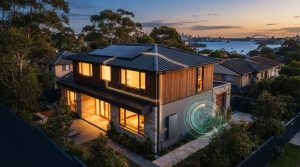
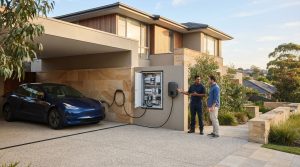
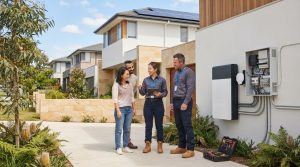
A solar battery may not be the right first upgrade, even if your household uses most of its electricity after dark. If you’re weighing up solar panels or solar battery first, identify whether your home needs more daytime generation or a way to use solar energy later.
It’s understandable to want the upgrade that will make the biggest difference to your bills without complicating a later installation. Panels generate electricity during daylight hours, while a battery stores available surplus for use later. Without panels or another source of electricity, a battery won’t create solar power. If you already have a solar system, the next step depends on its equipment, your energy use and what you want from the upgrade.
This guide explains how to match your first step to your household’s energy needs, when a staged installation may make sense and what to consider when planning panels and storage together. You’ll also learn what to gather about your current system and electricity use before arranging tailored solar installation in Sydney.
Key Takeaways
- Decide whether your main energy gap is daytime generation or access to stored solar power after dark.
- Trace how electricity moves between your panels, household, battery and the grid to understand how the system works together.
- Whether solar panels or a solar battery make sense first depends on your current equipment, energy-use patterns and project priorities.
- Use electricity bills and usage data from different seasons, alongside your goals and property details, to guide your next step.
- Brighter Sparks Electrical plans and installs solar panels and batteries for Sydney homes as part of tailored systems.
Solar panels or solar battery first: what problem are you solving?
To decide whether solar panels or a solar battery should come first, identify the gap in your home’s energy supply. If you don’t yet have solar generation, panels address that gap by producing electricity during daylight. A battery stores available surplus so it can be used later. A battery alone cannot generate solar electricity, so storage without panels won’t give your home a source of solar power.
Solar panels generate electricity from sunlight, while a solar battery stores available surplus electricity for later use. That distinction is a useful starting point, but it doesn’t set a universal installation order. The right choice depends on your existing equipment, when your household uses electricity and whether your priority is adding generation, using more solar power after dark or planning a coordinated system.
What solar panels do during the day
Rooftop photovoltaic (PV) panels convert sunlight into electricity. An inverter helps make that electricity usable by household appliances. If the system is generating power while you’re running a washing machine, working from home or cooling the house, that electricity can serve those loads as they operate. The How Solar Panels Work overview explains the basic technology behind this process.
Output changes with sunlight and other conditions, so generation won’t be identical throughout the day or year. Household demand changes too. A sunny afternoon may produce more electricity than the home is using at that moment, while cloudy conditions or high appliance use can reduce what’s available for other purposes.
What a solar battery adds after sunset
When panels produce more electricity than the home is using, a suitably configured system may direct available surplus to a battery. The stored energy can then be discharged later to help supply household loads, such as lighting and cooking after sunset. In simple terms, panels generate electricity, the home uses power, available surplus charges the battery, and stored energy can be used later.
Storage can shift some solar use beyond daylight hours, but it doesn’t guarantee independence from the grid. The amount available depends on generation, household consumption and system design. If the home needs more electricity than the panels and battery can supply, grid imports may still be needed. Battery storage also shouldn’t be assumed to provide power during an outage. Backup operation depends on the system configuration.
Use your energy gap to guide the next step. If the home has no panels, adding a battery alone won’t address a lack of solar generation. If panels are already installed, storage may be worth assessing when daytime surplus is available and household use extends into the evening. If you’re planning both, considering generation and storage together can help you compare the options as parts of one system. For homeowners comparing complete residential setups, resources from providers such as maknenergy.com.au demonstrate how panels and home batteries can be designed to complement each other.
Before choosing, note what equipment is installed and when your household tends to use the most electricity. Compare daytime use with evening demand, and record whether your system exports surplus or imports power later. This gives you a clearer basis for deciding whether to prioritise generation, storage or both.
How panels and batteries work together in a home solar system
A grid-connected solar system directs electricity where it’s needed as conditions change. Panels generate power in daylight, and the inverter converts and manages that electricity so it can supply household circuits. The home uses available solar power as it is generated. If generation exceeds demand, surplus electricity may charge a compatible battery or be exported to the grid. If generation and stored energy aren’t enough for household use, the home can import electricity from the grid.
A battery can store available energy for later, but it can’t create electricity that the panels haven’t generated. That’s why the system’s components need to be considered together, even if you install them in stages. The inverter’s role and configuration depend on the system design, including how a battery connects and how electricity is managed between the home, storage and grid.
Using solar electricity in the home is called self-consumption. Exporting means sending surplus generation to the grid. The value of exported electricity and the cost of importing power depend on the household’s retailer plan and applicable network arrangements. Don’t assume one export credit or tariff applies to every Sydney home. Check your bill and plan when comparing the value of using, storing or exporting surplus.
When a panels-first installation makes sense
If your home has no solar panels or other generation source, panels can establish the supply that a future battery may store. During the day, the home can use electricity as it’s produced. When generation exceeds demand, available surplus may be directed to storage or exported. This makes panels a logical starting point for households whose main gap is a lack of solar generation, while leaving room to plan storage as a later stage.
There’s no universal waiting period before adding a battery. The right timing depends on your usage, the system’s performance and your plans for the property. Review actual generation and household use rather than relying on a fixed payback estimate or assuming a particular amount of surplus will be available.
What to plan when adding a battery later
A staged installation still needs a joined-up design. Before adding storage, the existing system and its components need a project-specific compatibility assessment. The inverter arrangement, electrical layout and available equipment space can affect how a battery is incorporated. If storage is part of your longer-term plan, make that goal clear when planning the panel installation.
Consider where equipment could be located, how wiring would connect the system and whether electrical modernisation, such as a switchboard upgrade, is relevant to the project. These details are specific to the property, so don’t assume every existing solar setup will accept the same battery arrangement. Brighter Sparks Electrical plans solar generation and storage for Sydney homes, whether the work is staged or coordinated. Explore solar and battery system planning as you decide how your home’s equipment should work together.
Panels first or battery first? Compare the situations that change the answer
The best order depends on what your home already has and what you want the upgrade to do. If you’re asking whether to install solar panels or a solar battery first, separate a generation gap from a storage gap. A home without solar usually needs a way to generate electricity before it can store solar surplus. A home with existing panels may face a different decision if it exports surplus during the day but imports electricity later.
| Starting situation | Likely first priority | Reason | Planning caveat |
|---|---|---|---|
| No solar generation | Assess solar panels first | Panels can create the electricity a battery may store for later. | Roof suitability, household goals and system design still matter. |
| Existing solar, with daytime surplus and evening imports | Assess battery storage | A battery may let the home use some available solar energy later. | Check the existing system’s compatibility and household usage pattern. |
| Planning a complete new system | Plan panels and battery together | A coordinated design can account for generation, storage and when the home uses electricity. | Property conditions, electrical layout and project priorities shape the final design. |
A battery alone won’t reduce daytime grid use by storing solar power if there are no panels or other generation source supplying it. Bill outcomes also aren’t determined by equipment alone. They depend on system design, when electricity is used, the household’s tariff and site conditions. Treat the table as a starting point, not a guaranteed result for every home.
When panels are usually the practical starting point
If your home doesn’t generate solar electricity, panels are generally the first component to assess. They provide the potential source of surplus that a battery could store, subject to generation and household demand. This is a conditional recommendation: roof suitability, site conditions and your goals still need consideration. If daytime generation is the main gap, assess panels before adding storage.
When battery-first planning may deserve consideration
Already have panels? Look at whether the system regularly exports surplus while the household uses more electricity in the evening. If both apply, storage may be worth assessing, but the existing system’s design and compatibility matter. Review usage and generation patterns alongside your current electricity plan rather than assuming a battery will always improve the bill. If backup power is a priority, remember that it depends on system design and configuration, not simply on having a battery installed.
For a practical comparison, note when the home tends to export, when it imports and what equipment is already installed. This helps clarify whether the next step is adding generation, assessing storage or planning both as a coordinated system. Brighter Sparks Electrical can tailor solar panel and battery planning to your Sydney home and its energy priorities.
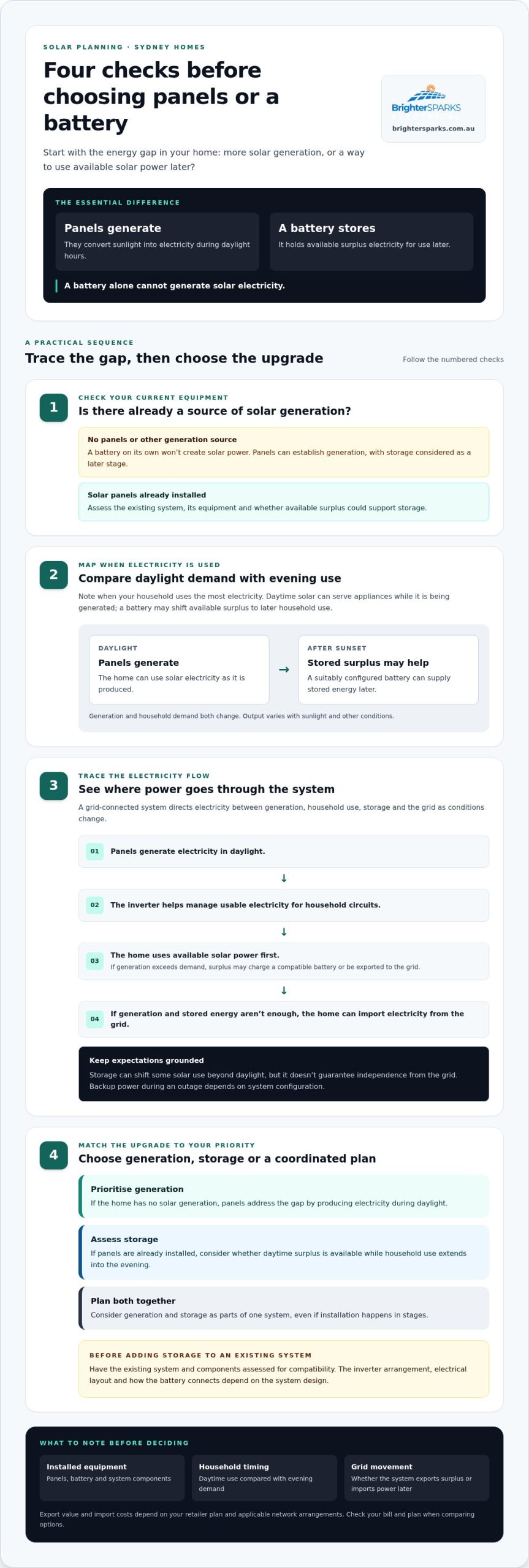
Use this four-step check to decide what your home needs first
Before choosing an installation order, gather a clear picture of your home’s equipment, electricity use and site conditions. This four-step check can help show whether the priority is adding generation, storing available solar energy or planning both together. Keep recent bills and usage information handy, and look across relevant seasons rather than drawing conclusions from a single day.
- Check what’s already installed. Record whether your home has solar panels, an inverter or battery storage. Note any system details you have, such as its age or previous work. If you’re unsure what a component does, a photo or the system documents can help organise the information for a tailored assessment.
- Review when you use electricity. Compare daytime demand with evening and overnight use using your bills or available usage data. Look for recurring patterns across different seasons. One unusually sunny day or a week with different routines may not represent typical household use.
- Identify your project goals. Decide what you want an upgrade to address: more daytime solar generation, greater use of available solar later in the day, or a coordinated system. Include planned changes, such as adding an EV charger or heat pump, so they can be considered in the system plan. If backup power matters to you, identify that goal early because it affects system planning.
- Assess the property. Consider roof condition, orientation, shading at different times and available space for equipment. The best arrangement depends on the actual site, not a general assumption about Sydney homes. Note any electrical or switchboard work that may be relevant to safe planning.
Review your system and energy pattern
Put your equipment notes beside your usage records. For example, if your home has panels, compare daytime generation or exports with evening grid use. If your home has no panels, consider how it could generate electricity before planning storage for solar surplus. These details frame the question of solar panels or a solar battery first around your household, rather than a one-size-fits-all rule.
Check site conditions and future plans
Roof orientation and shade can affect when and how much solar generation is available. Practical equipment locations and the electrical layout also shape a suitable design. For a Sydney property, assess its individual conditions rather than relying on a suburb-wide assumption. If electrical modernisation may be needed, include it in the project discussion.
Before modelling possible savings, check current NSW incentives through official government sources and confirm applicable electricity tariffs with your retailer or network source. Eligibility, scheme rules and tariffs can change, so use current information that applies to your circumstances. With your notes ready, arrange tailored solar and battery planning for your Sydney home.
Plan solar panels or a battery with a Sydney installer
The practical choice is the component that addresses your home’s main energy gap. If you don’t have solar generation, panels may be the first priority to assess. If you already have panels and regularly have surplus generation while using electricity later, storage may be worth considering. If you’re planning a new system, coordinating panels and a battery can help account for household energy use and future plans from the outset.
There’s no single installation order for every property. Roof conditions, existing equipment, electrical layout and household priorities all shape the plan. Brighter Sparks Electrical supplies and installs solar panels and battery systems for homes across Sydney, with recommendations tailored to the property and how you intend to use energy.
What to prepare for a project assessment
A few details can make the discussion more useful. Gather recent electricity bills and any available usage data, ideally covering relevant seasons rather than a short snapshot. Then note:
- Whether you already have panels, an inverter or battery storage, including any system information you have.
- When the home is usually occupied and whether electricity use is higher during the day, evening or overnight.
- Your main priorities, such as using solar during the day, storing energy for later or expanding an existing system.
- Any planned electrical changes, such as an EV charger or heat pump, and any known wiring or switchboard work.
These notes connect the question of solar panels or a solar battery first to your actual household, rather than relying on a general rule. They also give you a clearer starting point for discussing a staged installation or a coordinated system.
How Brighter Sparks can help plan the next step
Brighter Sparks Electrical plans and installs solar panels and batteries for Sydney homes. The system recommendation can account for your property, existing equipment and energy priorities, including whether you’re adding to an existing setup or planning a new one. Where a project calls for electrical modernisation, wiring or switchboard upgrades can be considered as part of the overall plan. They aren’t automatic requirements for every installation.
With your bills, equipment notes and priorities ready, you can have a more informed project discussion and work out whether generation, storage or coordinated planning should come first. Discuss solar and battery installation.
Make your next solar decision with confidence
Your next step doesn’t need to commit you to every part of a system at once. Start with the information you’ve gathered about your home, then focus the project discussion on the energy gap you want to address. That makes the question of solar panels or a solar battery first more specific to your plans, whether you’re upgrading an existing setup or considering a new one.
Brighter Sparks Electrical installs solar panels and solar battery systems for residential and commercial customers across Sydney, planning them around the property and its energy priorities. A considered plan can help you understand how the components may work together and what to account for if you want to stage the installation.
Discuss solar and battery installation in Sydney and take the next step towards a system suited to your needs. With a clear picture of your priorities, you can move forward with confidence.
Frequently Asked Questions
Should I install solar panels or a battery first?
If your home has no solar generation, panels are generally the practical starting point because a battery stores energy rather than producing it. If you already have solar, look at whether surplus is exported during the day and when the household uses electricity. The choice of solar panels or a solar battery first also depends on your equipment, property and future plans. For a Sydney home, include roof constraints and planned electrical additions in the assessment.
Can I install a solar battery without solar panels?
Yes, some system configurations allow a battery to be installed without rooftop panels, but it still needs a source of energy to charge. Depending on the setup, it may charge from the grid rather than solar generation. If your aim is to use your own solar electricity after dark, include panels or an existing solar system in the wider plan. The proposed configuration should be assessed for your property and intended use.
Is it better to install solar panels and a battery together?
Installing both together can let the system be designed as one project, but it isn’t automatically the best fit for every household. A staged approach may suit a home that wants to spread the work over time, or one that already has suitable panels. Compare how the equipment will work together, likely household use and any electrical work involved. Use your current electricity plan when considering bill outcomes, rather than relying on a general payback estimate.
Can I add a battery to my existing solar panels?
An existing solar system can be assessed for a battery addition, but compatibility depends on the equipment and its configuration. Before arranging an assessment, locate the inverter details and any documents from the original installation. A clear photo of equipment labels can also help identify what is in place. The system and property need to be reviewed before a battery design is recommended, as not every battery suits every existing setup.
Does a solar battery work during a blackout?
Not every solar battery system supplies power during a blackout. Backup operation depends on the system design, compatible equipment and how circuits are configured. A standard grid-connected solar setup may shut down during an outage for safety, so having a battery doesn’t by itself mean the home will stay powered. If backup is a priority, identify which household circuits matter most and include that requirement when planning the system.
How do I know whether my home needs panels or a battery first?
Start by listing your current solar equipment, then compare household usage with any available generation or export information. Look beyond a single bill or unusual week, and note future plans such as an EV charger that may affect electricity use. For a Sydney property, consider the roof and electrical infrastructure as well. Check current NSW incentives through official sources and use up-to-date tariff details that apply to your retailer and network.